Unlocking the Power of Navigational Logos and Direction in Modern Design
Navigational logos are a crucial element in modern web and presentation design, offering a blend of functionality and aesthetic appeal. These logos not only guide users through a website or presentation but also serve as a visual anchor, enhancing the overall user experience. In this article, we'll explore the importance of navigational logos, their role in infographics, and how they can be effectively integrated into your projects.
Understanding Navigational Logos
A well-designed navigational logo is more than just an image; it's a tool that helps users understand where they are and where they can go next. This is particularly important in complex websites or detailed presentations, where users might easily get lost without clear direction. A navigational logo typically includes elements like icons, directional cues, and interactive features that make navigation intuitive and straightforward.
Key Characteristics of Effective Navigational Logos
- Clarity: The navigational logo should be easy to understand at a glance. Users should be able to quickly identify the purpose and function of the logo.
- Consistency: Consistent use of colors, fonts, and styles across the navigational logo and the rest of the site or presentation enhances the overall coherence and professionalism.
- Interactivity: Interactive elements, such as hover effects or clickable areas, can make the navigational logo more engaging and functional.
- Accessibility: Ensure that the navigational logo is accessible to all users, including those with disabilities. This might involve using high-contrast colors and providing alternative text for screen readers.
Infographics and Navigational Logos
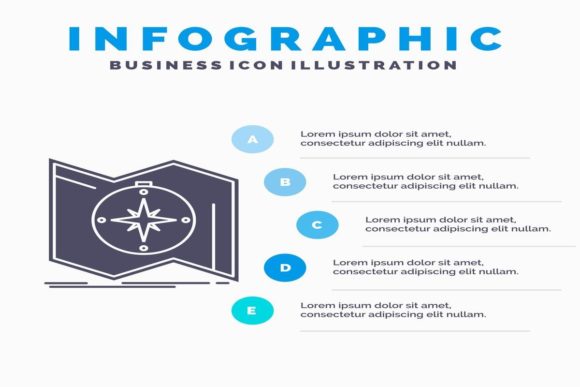
Infographics are a powerful way to present complex information in a visually appealing and easy-to-understand format. When combined with navigational logos, infographics can become even more effective. A navigational logo in an infographic can serve as a starting point, guiding the viewer through the data and helping them understand the flow of information.
Creating a Navigational Infographic Template
- Define the Purpose: Start by clearly defining what you want to achieve with your infographic. Is it to inform, educate, or persuade? This will help you structure the content and design the navigational logo accordingly.
- Select the Right Icons: Choose icons that are universally recognized and relevant to the content. For example, a navigational logo with a map icon can indicate a section about geographical data.
- Use a Consistent Style: Stick to a consistent style throughout the infographic. This includes using the same color scheme, font, and icon style. A navigational logo that matches the overall design will look more professional and cohesive.
- Add Directional Cues: Use arrows, lines, or other directional cues to guide the viewer through the infographic. This can be especially useful in long or complex infographics where the navigational logo helps maintain the flow.
- Test and Iterate: Before finalizing your infographic, test it with a small group of users to see if the navigational logo and overall design are effective. Gather feedback and make necessary adjustments.
Practical Benefits of Navigational Logos
The benefits of using navigational logos extend beyond just aesthetics. They play a significant role in improving user engagement and satisfaction. Here are some practical benefits:
- Enhanced User Experience: A well-designed navigational logo makes it easier for users to find what they need, reducing frustration and increasing the likelihood of positive interactions.
- Increased Engagement: Interactive navigational logos can keep users engaged longer, encouraging them to explore more of the content.
- Better Retention: When users can easily navigate through the content, they are more likely to remember the information presented, leading to better retention rates.
- Professional Image: A professionally designed navigational logo reflects well on the brand, enhancing its credibility and trustworthiness.
Examples and Scenarios
Let's consider a few examples to illustrate the effectiveness of navigational logos:
- E-commerce Websites: An e-commerce site might use a navigational logo with a shopping cart icon to direct users to their cart or checkout page. This simple yet effective navigational logo can significantly improve the user experience and increase conversion rates.
- Corporate Presentations: In a corporate presentation, a navigational logo with a chart icon can guide viewers to the financial data section. This helps maintain the flow of the presentation and ensures that the audience stays engaged.
- Educational Platforms: An educational platform might use a navigational logo with a book icon to direct students to the course materials or assignments. This makes it easier for students to find what they need, enhancing their learning experience.
Considerations for Choosing a Navigational Logo
When choosing or designing a navigational logo, there are several factors to consider:
- Target Audience: Understand who your target audience is and what they expect from the navigational logo. Different audiences may have different preferences and needs.
- Brand Alignment: Ensure that the navigational logo aligns with your brand's identity. The colors, fonts, and overall style should complement your brand's existing design elements.
- Functionality: Prioritize functionality over form. While a navigational logo should be visually appealing, its primary purpose is to guide users effectively.
- Scalability: Consider how the navigational logo will look on different devices and screen sizes. It should be scalable and responsive to ensure a consistent user experience.
Final Thoughts
Incorporating a navigational logo into your website or presentation can significantly enhance the user experience and make your content more accessible and engaging. By understanding the key characteristics, benefits, and considerations, you can create a navigational logo that not only looks great but also serves its intended purpose. Whether you're designing an infographic, a website, or a presentation, a well-crafted navigational logo can make all the difference.